
While many people regard fashion shows as an entertaining event, as a business person, I view them differently. To me, a fashion show is a very costly marketing campaign that has specific objectives. The Victoria’s Secret Fashion Show 2026 is a great example, since the company has included the event in its turnaround plan and we have some data to analyze.
The models and the music will be out of scope of this presentation. Instead, I will focus on the strategic aspects – why would a brand invest so much money into a single event, what goals it should pursue, what dangers await, and what smaller businesses could learn from this.

What Is Happening in 2026
The event was supposed to take place in Los Angeles on October 18, 2026, following the two previous shows held in New York. In addition to the live stream via YouTube, the brand held a weekly ticket raffle and a YouTube docuseries featuring the process of searching for a new Angel.
It is worth noting that the change of location was made out of necessity. According to creative director Adam Selman, they wanted something grander than the previous year and there was no suitable space in New York. Thus, the venue had to be found to correspond to their ambitions.
It should be mentioned that the event took place just several days ago, so the figures regarding viewership or sales were not available yet. Everything below concerns the outcomes of previous years and financial performance of the company.
Why the Runway Show is Actually a Marketing Machine
At its core, the show was originally an advertisement. While the company held its very first show in 1995, it was just that – a way to advertise lingerie and sleepwear, combining fashion and pop entertainment. This is exactly how the mechanism works – create a memorable event and then transform the attention generated into sales.
After its initial success, the show experienced a significant drop. Having reached its peak in 2014 when it was seen by more than nine million viewers in the US, the show fell out of favor, with a reduction in the audience and backlash leading to the cancellation of the event in 2019.
In other words, the return of the show is an attempt to rekindle brand interest.
The Numbers: What the Company Claims to Deliver
This is what the numbers say.
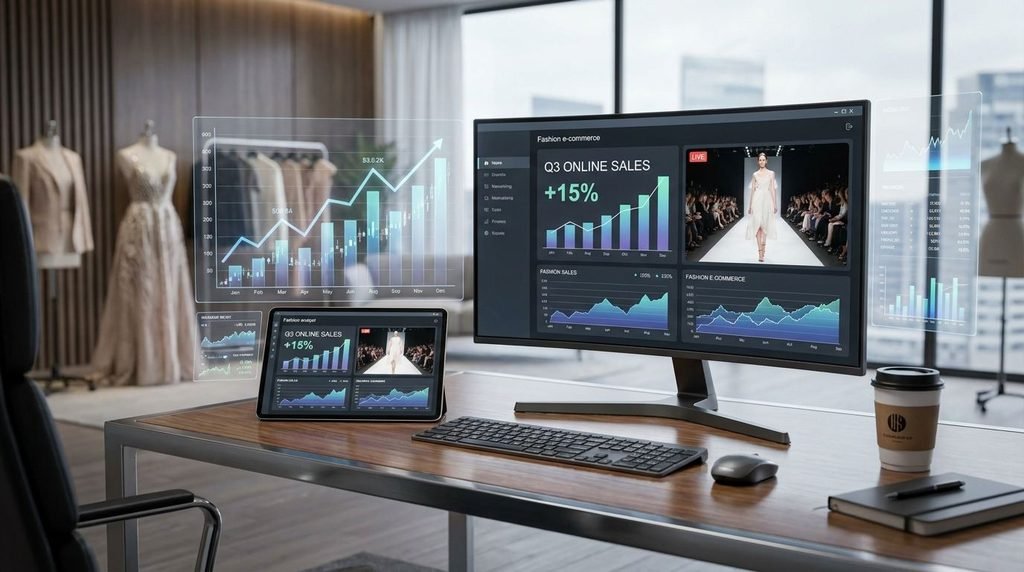
The 2025 show. During the third-quarter 2025 conference call, the company claimed that its 2025 show had produced significant commercial success surpassing last year’s performance and their own expectations, and that its intimates category was back in growth mode, growing by more than 1% market share in the US. This is what the company itself has stated, and must be treated accordingly.
The reach. The production company responsible for the 2025 show reported more than 2.5 million peak concurrent viewers, and over 50 million views of the show worldwide through live and on-demand platforms, along with the shoppable Pink Carpet pre-show on Amazon Live. This is the difference between the old broadcast-TV spectacular and the modern day multi-platform, shoppable event.
The year-long story. Fiscal 2025 saw a 5% increase in net sales to $6.553 billion, 5% increase in comparable sales, and 27% increase in international sales, although operating income declined to $271 million due to $85 million in tariffs.
Forward momentum into 2026. For the first quarter of 2026, net sales increased 15% to $1.560 billion and the company increased its full-year guidance. For the second quarter, net sales increased 10% to $1.611 billion, once again increasing guidance, and management stated that the company is stepping up its strategic marketing spending, pointing to the docuseries and even bigger fashion show.
Correlation does not equal causation, but there are many elements impacting retail results. However, one thing is clear – the company sees the fashion show as an important element of its branding.
How Was the Model Adapted
A couple of key changes in the business model of the company include the following:
- Freely distributed content. Free streaming of the content on social media allows for overcoming the limits of the television broadcast window.
- Engaging shoppable content. Making the pre-show shoppable creates a direct connection between the attention and purchasing.
- Ongoing story. The docuseries and ticket drops create suspense for months rather than just during the event.
- Owned customers. The company reported that it has 32 million members who generate around 80% of weekly revenue. That means that having a big event can be used not only as an income source but also as a tool for activating customers.
- International orientation. In the next quarter after the 2025 show, the company reported over 30% international sales growth driven by good performance in China.
The Hazards
One could hardly expect such an endeavor to be a surefire success. Some genuine hazards lurk beneath the glossy surface:
- Outlay vs. returns. It’s a costly undertaking, and the boost in sales won’t necessarily justify the outlay.
- Fees and logistics. Increasing freight fees and uncertain tariff issues place stress on profits in the near term.
- Competition. Competitive pressures and the company’s high exposure through malls remain key concerns.
- Reputation. The company’s legacy is such that every decision is carefully watched and a single mistake could sting.
- Short attention span. People forget. The spectacle must be followed up by the product experience.
Lessons for Smaller Businesses
You don’t have to have a runway to use the same reasoning. Here’s what I’d learn from it.
- Create an experience, not an advertisement. Just one successful experience will beat months of repetitive posts.
- Cultivate suspense. Teasers, countdowns and backstories expand its effects.
- Make it shoppable. If your audience is excited enough, give them a means to act on it.
- Make use of your existing fan base. Email subscribers and loyal customers are your best amplifiers.
- Have a specific aim. Figure out whether you are trying to get new clients, make a second purchase or promote your brand.
- Monitor the result. Measure search interest, visits, registrations and sales, not only likes.
- Deliver. Ensure that your products are in stock and ready for the attention you’ve earned.
What I’d Watch Next
As an analyst tracking this event, I would watch for:
- Viewership and engagement numbers after the show.
- The performance of the next quarterly results in comparison with the increased guidance of the company.
- The improvement in acquisition of new customers and full-price sales.
- The impact of tariffs and costs on margins.
- The performance of the docuseries and show as generators of traffic after the event week.
Conclusion
The Victoria’s Secret Fashion Show 2026 is an example of how major cultural events become valuable business tools if they are connected to strategy. In its turn, the company bets on attention, storytelling and shoppable content to revive brand momentum and to make profit in the future. Financial indicators seem positive for the moment, but the test will be whether this buzz brings loyal clients.
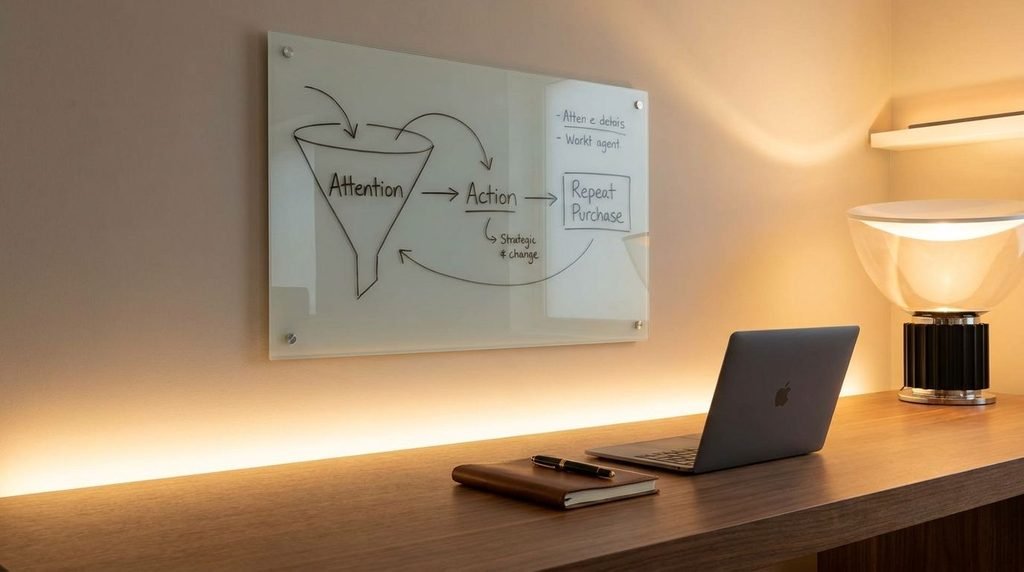
My advice to any business owner: pay attention to how your marketing works as a chain from attention to action to repeat purchase. Otherwise, there will be no value in a spectacle.
If you need assistance in automation of post-campaign actions (lead capture, responses and customer journeys), you can find out more about what we do at Aura Flow Tech.


