A camera mounted on a pole recognizes the license plate number in less than a second. On its own, it would be a convenient feature since the gate would lift, the toll would be calculated and the parking would begin. However, combine it with other smart devices and other sources of information, and it creates an entirely different picture – a track of where the car has been.
This is the reason why ALPR technology and smart device tracking needs more than a product demonstration. This article will examine the subject from three perspectives – an engineer’s, an operator’s and a citizen’s one.
What Is ALPR?
Automated licence plate recognition (ALPR) employs fixed or mobile cameras together with algorithms to take pictures of the plates and make them machine-readable. It can be utilized for purposes of traffic law enforcement, access control, tolling, and parking management. Some European cities use ALPR to implement low-emission zones.
The procedure is not difficult to explain: a camera takes a picture, algorithms locate the plate, optical character recognition processes the characters, and the information gets checked against a database or saved along with the timestamp and location.
What is interesting about ALPR as a “smart device” case is the growing trend toward implementing ALPR in such a way that the camera performs the recognition and sends the information to cloud platforms, parking apps, access control systems, and fleet management solutions.
Lens One – The Engineer
Engineers care about whether it works and the simple answer is “mostly.”
- It works well, not perfectly. In a Washington State transport study, ALPR was capable of achieving an accuracy of greater than 95%, meaning toll cameras could also get things wrong 5% of the time. The same accuracy range – 95-99% – is claimed by a vendor of parking technology equipment, a point worth noting: “optimal” does a lot of work in that sentence.
- Conditions affect accuracy. A patent application relating to toll systems mentions that the use of OCR will generally fail in changing light conditions, bad weather or an out-of-focus camera, and that most authorities have human review to increase accuracy but slow down the process.
- Hardware is as important as software. Angle of the camera, height at which it is installed, shutters and lighting make all the difference. One guide mentions that using ALPR software in IP cameras may produce lower accuracy compared to specialized cameras.
- Mistakes can have effects. According to a policy memo from the University of Michigan, there have been incidents whereby misunderstanding of images has caused innocent individuals to be arrested by the police. Mistaken character understanding, dirt in the plate and plate format are some of the reasons. This is why an alert must be an opportunity for checking and not a confirmation.
From the point of view of the engineer, the design guidelines are very simple – use correct cameras, test under your own lighting and weather conditions, display the captured image alongside the text read.
Lens Two: The Operator’s Perspective
The operator focuses on results – reduced waiting lines, no unpaid visits, fewer security threats and happy customers. An ALPR system can achieve all that. It can produce a ticketless environment in parking areas. It can raise or lower barriers for vehicles authorized in gated sites. It can document fleet visits without manually checking.
However, you get the duties too. That’s what I would watch out for.
- You’re dealing with personally identifiable information. Plate number, place and time of detection provide details about a person’s movements. Personal data is considered sensitive information in many places, and therefore should be treated as such, unless told otherwise by a lawyer.
- Regulations change and become more strict. At least in the United States, regulations are usually state-based. Legal analysis in August 2026 indicated that about six states ban the use by private parties and governments altogether, while at least eight limit storage period. ALPR laws were introduced in 2026 in Washington, New Mexico, Kentucky, and Connecticut with 21-day limitation period in Connecticut.
- Writing it down is increasingly becoming a requirement. The policy mandated by Kentucky’s legislation from July 15, 2026, shall address, among other things, the database policy for comparison, retention and destruction policy, training, supervision policy, and access and security requirements. In the same legal analysis, some of the elements that are listed include purposes for which the system can be used, access policy, audit requirement, prohibitions related to sale and disclosure, accuracy and retention policies, and failure to implement those policies may create litigation exposure even in absence of any data breach.
- Other examples are no exception. SB 1013, proposed in California, requires usage and privacy policies, training and retention policies up to 60 days for the highway patrol, whereas 2026 discussion about bills in Illinois includes retention policies for three days and prohibition to combine ALPR with facial recognition or biometric systems.
This is not legal advice, and laws differ by location. But it is clear that these are becoming an integral part of the product rather than additional documentation.
Lens Three: The Citizen’s Perspective
Imagine now that you are a motorist driving by an unknown camera.
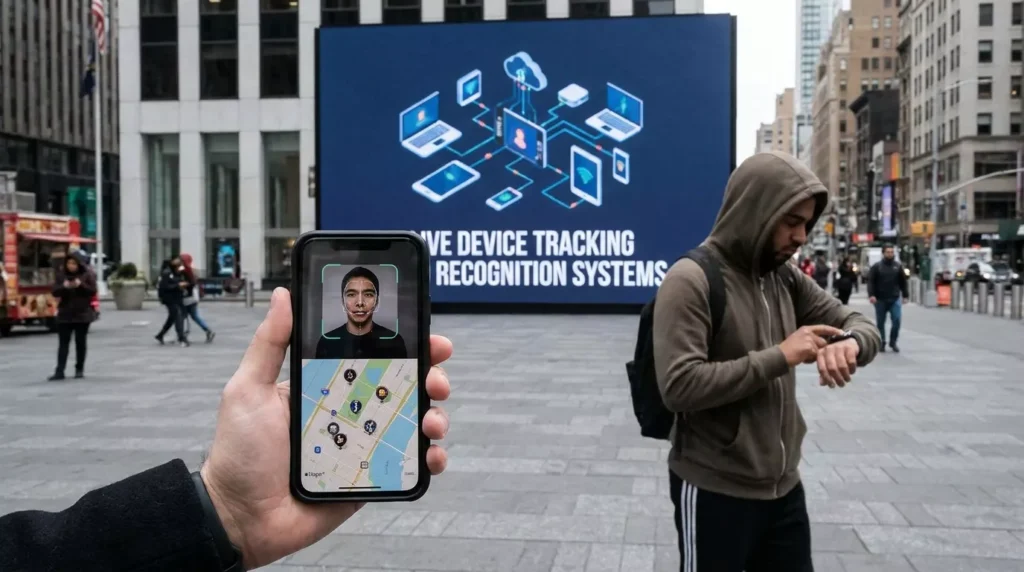
One license plate read is not a big deal, but thousands of reads linked through cameras and time paint a picture of where you work, where you pray, and when you aren’t around. Throw in other smart device data such as parking apps, connected vehicle services, or access systems, and the image becomes clearer. This is also referred to as the mosaic effect; individual pieces of data that become revealing in combination.
The concerns from the citizens’ perspective are straightforward:
- Who has this information and why?
- How long is it stored?
- Is it accessible to anyone else, and is it possible to sell or share this information?
- What happens if the information is incorrect?
- Am I able to see what is being recorded about my car?
The person responsible for the operation must be able to address these questions to the citizens’ satisfaction.
Smart Devices: The Point Where Things Get Interesting
Understanding ALPR technology and smart device tracking typically refers to using ALPR in conjunction with other sensors. For legit applications, it may include, for instance, an integration of ALPR with the information about an appointment of a car owner in a car park; an integration of ALPR with a time of delivery in logistics parks; and the connection of a vehicle permit in campuses.
Each new link makes the system both more useful and more dangerous. Three guidelines should be applied:
- Purpose first. Each new data source should be connected for a certain purpose.
- Minimally connecting. Do not combine data just because it can be done. Especially when it comes to biometrics. It is the kind of combination that is now regulated by certain politicians.
- Separate by default. The datasets should stay separate unless there are legitimate reasons to connect them.
One clear line should be drawn: ALPR and other device data should not be used to trace or track the movement of private citizens. It is not the legitimate business goal and is illegal in many jurisdictions.
The Decision Filter I Would Use
There are six critical questions that would need to be answered prior to approval, and they must be in writing:
- Purpose: For which specific issue does this address, and is there another non-invasive solution?
- Collected Data: What data is being collected, and could we collect less of it?
- Retention: How long will it be retained, and under what circumstances does it get deleted?
- Access: Who has access, and what is done to audit access?
- Accuracy: How is accuracy ensured, and how is the data validated before any actions are taken?
- Transparency: Are there publicly available policies, and a method to submit inquiries or complaints?
If an answer to one of these questions cannot be provided by a vendor/team, then that is the finding.
Day One Actions
First, I would go for a specific use case, such as controlling the access to just one private car park and with a short retention time as possible. I would run tests in bad weather and at night, check the mistakes on weekly basis and post a brief policy before switching the system on. Only then I would think about any kind of integration.
Closing Thoughts
There is huge potential of ALPR technology and smart device tracking in improving the process of parking, access and logistics. However, its utility depends on how much people trust the technology. Engineers require precision and reliability. Operators – clear policies and retention periods. Citizens – clarity and restrictions. When it comes to all three, then you have something useful. Otherwise – a risk.
My tip: before you decide on purchasing anything, it’s better to draft the one-page policy in advance, containing the purpose, retention, access and data-sharing policies. Otherwise, you’re not ready yet.
If you manage sites, fleets or parking and looking for a way to automate your access control workflow and communicate with customers responsibly, feel free to visit our website Aura Flow Tech.